



Elsie Adeya | Counting on change: Reflections from the FLEX conference
6 August 2026
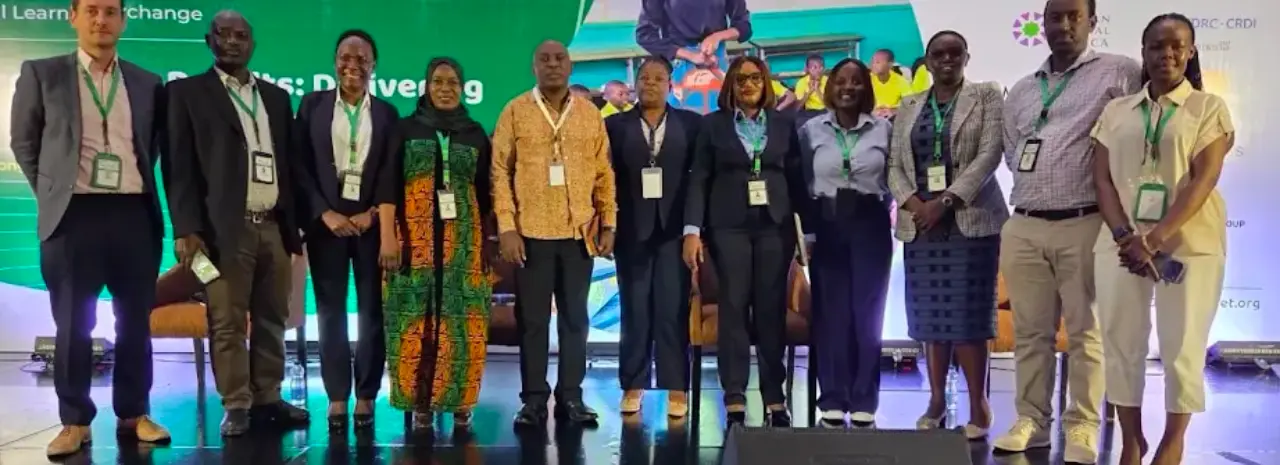
We know the numbers. Across Africa, millions of children are completing primary school without the basic mathematics skills they need to thrive. At the Africa Foundational Learning Exchange (FLEX) 2026 in Lilongwe, Malawi, the conversation around this challenge gathered renewed momentum, bringing together leaders from across the continent to learn from one another and explore what works.
FLEX is the largest platform for country-to-country exchange in foundational learning across Africa - bringing together ministers, policymakers, researchers and practitioners to tackle the shared challenge of ensuring every child learns the basics. While foundational literacy has long been the headline act, numeracy has often played a supporting role. At FLEX 2026, we saw signs that this was beginning to shift.
Learning through experience
Tom Pugh and I represented Genesis, as part of the Numeracy Research and Development Fund. Through NRD, we work to support our partners to strengthen implementation of numeracy pedagogies and help turn evidence of what works into government-led scale-up initiatives. We were there to tackle a tough question: How do we translate what we know works into reforms that reach every child?
The session we co-hosted was the only one at the conference dedicated solely to early grade mathematics. Hon. Prof. Torerayi Moyo, Zimbabwe's Minister of Primary and Secondary Education, delivered a clear call to action: an Africa Foundational Numeracy White Paper - a shared framework to capture evidence, policy commitments, and strategic actions.
His message was simple: we cannot solve these problems in isolation. We need collective ambition.
The statistics from across the continent underscore why. In Kenya, 73% of Grade 3 learners cannot translate information into simple arithmetic. In 2024, the proportion of students meeting expectations in mathematics dropped dramatically from 48% to just 23.5%. These are not just numbers; they are children being left behind before they've even begun.
Progress is happening
We also heard from countries forging ahead. Uganda spoke about the importance of aligning projects with government priorities, establishing a steering committee that brings central and local government together.
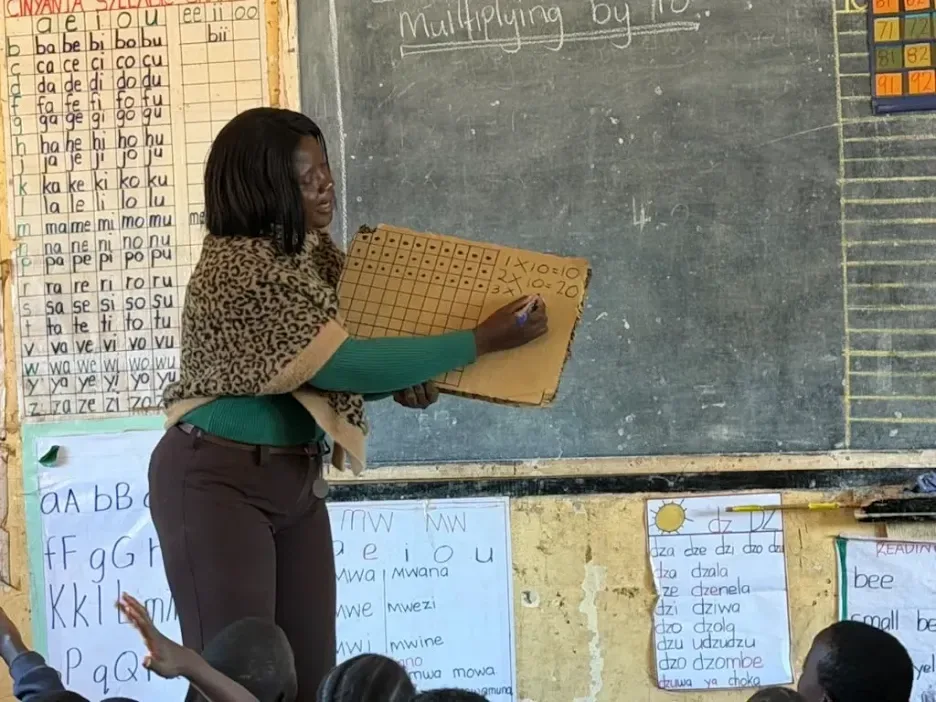
They stressed that ownership and buy-in at every level is the goal. Malawi shared how their National Mathematics Curriculum Reform used three distinct pilot phases to test logistics, training, and monitoring before national expansion. Zambia talked about aligning their new Competence-Based Curriculum with the Global Proficiency Framework, using Critical Early Numeracy Outcomes (CENOs) to deepen foundational skills in the earliest grades.
For us at Genesis, the session was a vital opportunity.
Everyone in that room was grappling with similar challenges; procurement delays, teacher capacity gaps and system fragmentation. But there was also a shared determination to build a movement, and the NRD Fund exists precisely to foster this kind of exchange.
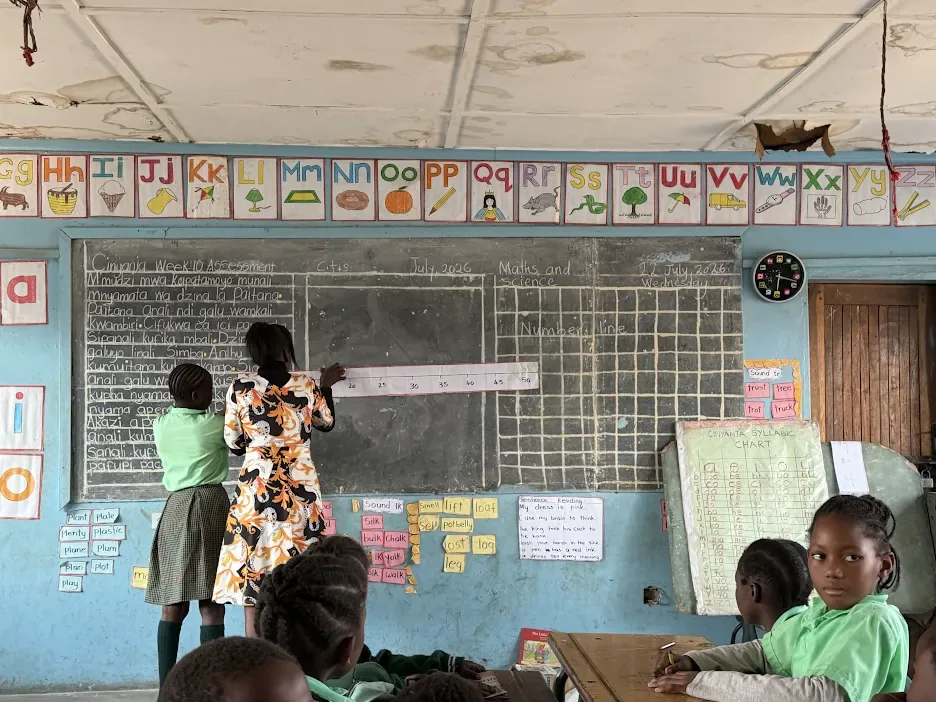
The conversation has started. Now we must turn words into action. At Genesis, we believe impact comes not only from generating evidence, but from ensuring it informs policy and practice where it matters most.
A key lesson I took away from FLEX is that the challenge is no longer understanding what improves children's learning in early grade mathematics. We already know much more about what helps children learn numeracy than we did a decade ago, and have a stronger base on approaches that improve numeracy outcomes.
The challenge now is translating that evidence into effective classroom practice at scale; supporting teachers to build both learners’ conceptual understanding and procedural fluency through coherent policies, well-resourced systems, and sustained professional support.
Doing so will require governments, funders, researchers, and implementers to invest in long-term partnerships that place country leadership at the centre. FLEX demonstrated that the appetite for collaboration already exists. The opportunity now is to turn that momentum into coordinated action so every child can build the numeracy skills they need to succeed.