




Transition to scale for the PrEP ring
Adolescent girls and young women (AGYW) in sub-Saharan Africa remain disproportionately affected by HIV. To counter this, pre-exposure prophylaxis (PrEP) offers a powerful prevention strategy, providing individuals who are HIV-negative with a way to protect themselves from the virus. Within the comprehensive HIV prevention toolkit, the monthly dapivirine vaginal ring (PrEP ring) offers a long-acting, discreet and self-administered option. It complements new methods such as injectable PrEP (Lenacapavir and Cabotegravir) and significantly expands choice and autonomy, allowing women to select a protective option that best fits their lifestyle.
Genesis Analytics was contracted by IPM South Africa NPC, an affiliate of the Population Council to scale up the PrEP ring. This initiative, funded by Grand Challenges Canada (GCC), involved a collaborative effort with Jhpiego (Botswana), Rinda Ubuzima (Rwanda), Tenn Global, and HPG.
From ideas to impact: Team co-creation workshops held in Botswana and Rwanda

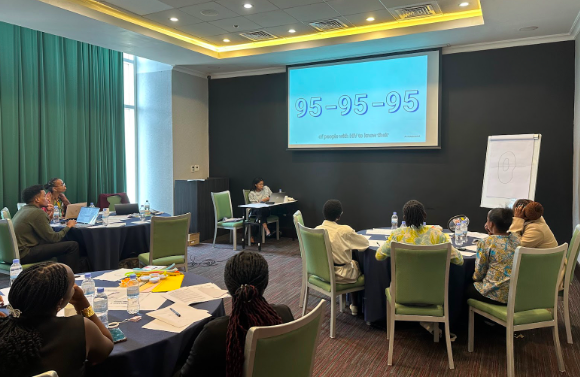

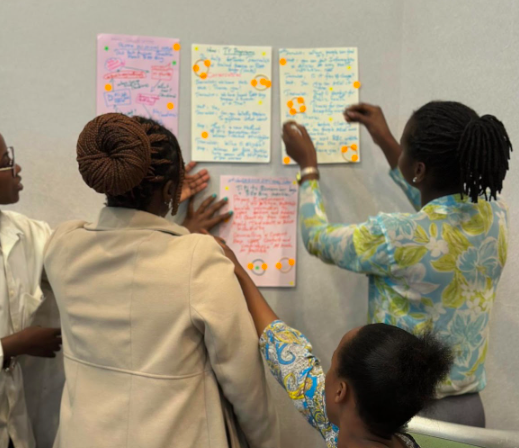
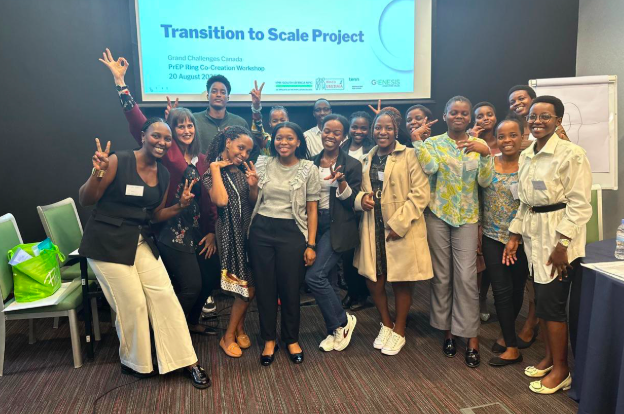
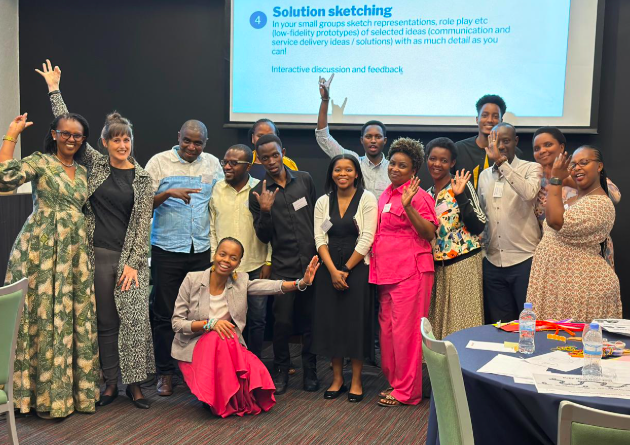
To support the successful introduction of the PrEP ring, we applied human-centred design (HCD) to adapt a market introduction and access strategy to the local context. Our technical role focused on demand and market considerations, alongside community engagement activities. We led the following components of this project:
- Improving healthcare provider knowledge: We gathered feedback on training tools and materials to inform future iterations that would ensure providers could move from clinical knowledge to context sensitive, empathetic, effective service delivery.
- Increasing demand among potential end-users: We used journey mapping and "how might we" ideation to design communication tools and service delivery strategies that address "unseen barriers" like stigma and cultural norms.
- Prototyping tools and materials: We refined concepts into practical tools, including tailored social media campaigns and locally adapted educational materials, ensuring all interventions were authentically rooted in the realities of end-users.
In doing so, we bridged the gap between national policy and community reality. By putting the HCD approach into practice, we ensured that the PrEP ring becomes a viable, desirable choice for women rather than just a product on a shelf.
Our recommendations, shaped by women and healthcare providers themselves, strengthen HIV prevention programmes in Botswana and Rwanda by prioritising choice, accessibility and cultural relevance in public health implementation.