
• Youtube Icon
  • Twitter icon
  • Instagram icon
  • LinkedIn icon
  • Facebook icon
Logo
    • Who we are
      • Who we are
      • Where we work
      • Who we work with
      • How we work
      • Our people
      • Our values
      • Genesis in the community
      • Our history
    • What we do
      • Behavioural solutions
      • Climate Finance and Economics
        • Climate finance
        • Just transition
        • Resilience and adaptation
      • Competition and Regulatory Economics
        • Competition economics
        • Regulatory economics
        • Communication and broadcasting
        • Damages and other litigation
        • Energy
        • Trade
      • Economic opportunity
        • Agriculture and agribusiness
        • MSME development
        • Gender and development
        • Green economy
        • Youth
      • Financial Services Strategy
        • Financial sector strategy
        • Market analysis and positioning
        • Financial risk management
        • Financial market policy
        • Financial inclusion
        • Applied behavioural economics
        • Payments
        • Digital financial services
        • Strategic due diligence
        • Partnerships
      • Frontier Technologies
        • Digital opportunities and their enablers
        • Digital public infrastructure
        • Digital policy and regulation
        • The Goat Framework
      • Health
        • Reproductive, maternal, child health and nutrition
        • Infectious diseases and pandemic preparedness
        • Digital health and data transformation
        • Health financing and systems optimisation
      • Human Development
        • Education
        • Social protection, child protection and jobs
        • Social sectors financing
        • Public finance management
      • Monitoring, evaluation and learning
        • Programme and impact evaluation
        • Monitoring and results measurement
        • Integrated monitoring, evaluation and learning
      • Primary Data Intelligence (PDI)
      • Economic Growth and Impact
        • Corporate impact and ESG
        • Political and public policy advisory for corporates
        • Economic and regulatory impact assessments
        • Just transition
        • Digital livelihoods
      • Services
        • Genesis Global Business Services
    • Our purpose
    • Join our team
      • Join our team
      • Why I chose Genesis
      • Young professionals
      • Experienced hires
      • Sign up to be an independent consultant
      • Bursaries
      • Our internship programme
    • News and insights
      • News
      • Newsletters
      • Reports and other documents
    • Contact us
      • Business Development Unit
      • Corporate enquiries
      • Careers
      • Offices
    • Who we are
      • Who we are
      • Where we work
      • Who we work with
      • How we work
      • Our people
      • Our values
      • Genesis in the community
      • Our history
    • What we do
      • Behavioural solutions
      • Climate Finance and Economics
        • Climate finance
        • Just transition
        • Resilience and adaptation
      • Competition and Regulatory Economics
        • Competition economics
        • Regulatory economics
        • Communication and broadcasting
        • Damages and other litigation
        • Energy
        • Trade
      • Economic opportunity
        • Agriculture and agribusiness
        • MSME development
        • Gender and development
        • Green economy
        • Youth
      • Financial Services Strategy
        • Financial sector strategy
        • Market analysis and positioning
        • Financial risk management
        • Financial market policy
        • Financial inclusion
        • Applied behavioural economics
        • Payments
        • Digital financial services
        • Strategic due diligence
        • Partnerships
      • Frontier Technologies
        • Digital opportunities and their enablers
        • Digital public infrastructure
        • Digital policy and regulation
        • The Goat Framework
      • Health
        • Reproductive, maternal, child health and nutrition
        • Infectious diseases and pandemic preparedness
        • Digital health and data transformation
        • Health financing and systems optimisation
      • Human Development
        • Education
        • Social protection, child protection and jobs
        • Social sectors financing
        • Public finance management
      • Monitoring, evaluation and learning
        • Programme and impact evaluation
        • Monitoring and results measurement
        • Integrated monitoring, evaluation and learning
      • Primary Data Intelligence (PDI)
      • Economic Growth and Impact
        • Corporate impact and ESG
        • Political and public policy advisory for corporates
        • Economic and regulatory impact assessments
        • Just transition
        • Digital livelihoods
      • Services
        • Genesis Global Business Services
    • Our purpose
    • Join our team
      • Join our team
      • Why I chose Genesis
      • Young professionals
      • Experienced hires
      • Sign up to be an independent consultant
      • Bursaries
      • Our internship programme
    • News and insights
      • News
      • Newsletters
      • Reports and other documents
    • Contact us
      • Business Development Unit
      • Corporate enquiries
      • Careers
      • Offices
  • Youtube icon
  • Twitter icon
  • Instagram icon
  • Linked In Icon
  • Facebook icon
image

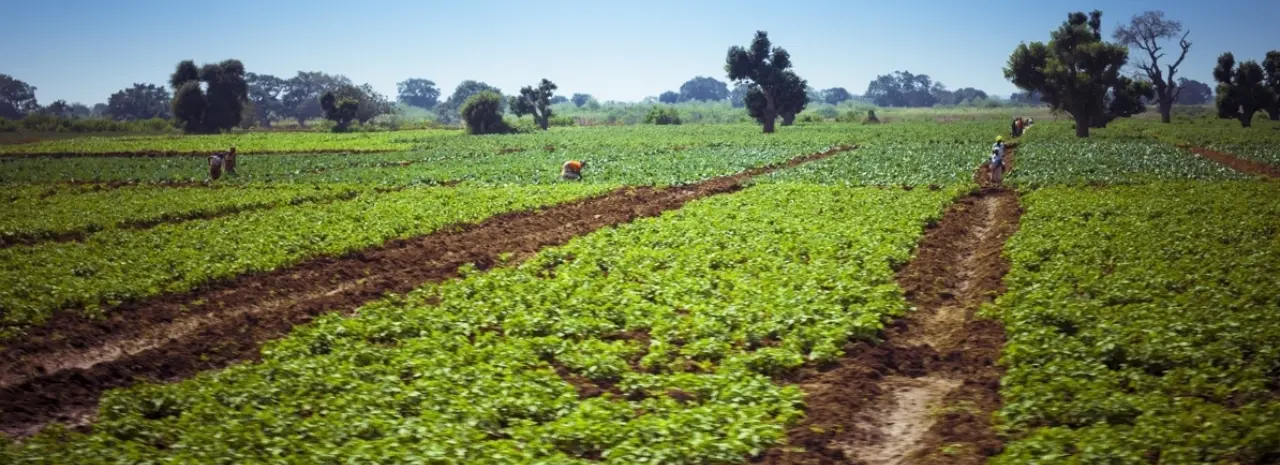
Case for private sector, climate-smart smallholder farming

  • Focus Area:

    Agriculture and agribusiness
    Climate Finance and Economics
    Economic opportunity

  • Area of Expertise:

    Green economy
    MSME development

  • Client:

    Technical Centre for Agricultural and Rural Cooperation (CTA)

  • Countries:

    Malawi
    Mozambique
    South Africa
    Zambia
    Zimbabwe

  • Date:

    2016

  • Project name:

    Business case for engaging the Private Sector in Climate Smart Solutions for smallholder farmers

Genesis was engaged by the Technical Centre for Agricultural and Rural Cooperation (CTA) to research a business case for engaging the private sector in designing and delivering climate-smart solutions.

The research was to inform the design and implementation of the CTA’s new flagship project on climate change, Promoting Climate-Resilient Agrifood Solutions for Cereals and Livestock Farmers in Southern Africa.

The project aims to scale up four proven climate-resilient agrifood solutions (CRS) to increase food security, nutrition and income for smallholder farm households under changing climate conditions. It identified successful agribusiness models for private-sector engagement in the four CRS. Implementation will focus on Botswana, Malawi, Namibia, South Africa, Zambia and Zimbabwe.

The findings presented compelling evidence of win-win outcomes from private-sector investments that unlocked access to technology (e.g. drought-tolerant seed varieties and livestock breeds), finance, markets, information, insurance and other risk-management tools that build resilience of smallholder farmers.

By helping farmers increase productivity, stabilise yields, improve quality, reduce production costs and transfer risk (through insurance), such investments are helping businesses stabilise supply (or demand in the case of suppliers), increase trade volumes and capacity use, access better products, lower transaction costs and minimise contractual defaults while building trust and a better understanding of the smallholder context. Governments and aid agencies also benefit from reduced need for safety nets and disaster recovery costs. Such partnerships create new commercial opportunities for service providers.

Following our report and presentation at the programme’s regional conference in May 2016, the CTA and its partners resolved that their interventions would be anchored in inclusive private private-sector partnerships with farmers on a sustainable basis for deliver climate-smart solutions.

One of CTA’s implementing partners in this project, the International Livestock Research Institute (ILRI), is discussing long-term cooperation (beyond the current CTA-funded project) with Genesis to support the design and implementation of climate-smart solutions anchored in private-sector/farmer partnerships.

The implementation of CTA’s flagship project was scheduled for 2016. It is expected to incorporate significant elements from our research. This should result in more sustainable climate-smart solutions that unlock value for farmers, agribusinesses, governments, the development community and service providers.

Final report: Business case for engaging the Private Sector in Climate Smart Solutions for smallholder farmers

IMPACT UNLOCKED.

Subscribe now to our monthly newsletter.

© 2026. All rights reserved.

  • Youtube Icon
  • Twitter icon
  • Instagram icon
  • LinkedIn icon
  • Facebook icon
  • Privacy Policy
  • Email Disclaimer
  • Whistle-Blowing Form

Head Office:
50 6th Road, Hyde Park, Johannesburg, 2196

Switchboard:
+27 (0)11 9947 000

Facsimile:
086 688 2247

We value your privacy

We use cookies to enhance your browsing experience and analyse our traffic. Analytics cookies are on by default; you can switch them off here at any time. By clicking "Accept All", you also consent to marketing cookies.

View Cookie Policy
Subscribe now to our monthly newsletter.

IMPACT UNLOCKED.

Sharp analysis.
Lasting solutions.

Subscribe now to our monthly newsletter.